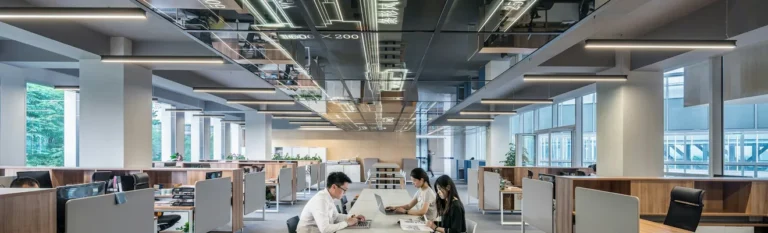

Modular construction moves much of the building work from the site into a factory. Rooms, bathrooms or whole floor sections are made under cover, then delivered and assembled in days. In this article, we look at five reasons more clients are choosing modular methods for homes, schools and offices.
Shorter Programmes
Factory work and site work can happen at the same time. While the foundations go in, the modules are already being built, which can take months off a typical programme.
Where the time is saved:
- Groundworks and module production run in parallel
- Less time lost to bad weather
- Fast installation once modules arrive
Consistent Quality
A factory floor is a controlled environment. Fixed jigs, trained teams and regular checks give a more consistent finish than many traditional sites can achieve.
How quality is controlled:
- Standard details repeated on every module
- Inspections at each stage of production
- Dry, clean conditions for finishes
- Testing of services before delivery
Less Disruption on Site
With most of the work done elsewhere, there are fewer deliveries, less noise and a smaller site footprint. Neighbours, schools and hospitals notice the difference.
Benefits for the area:
- Fewer vehicle movements each day
- Shorter periods of noisy work
- Smaller compounds and storage areas
- Cleaner roads around the site
Reduced Waste
Cutting materials to standard sizes in a factory produces far less waste than cutting them on site. Offcuts that remain are easier to collect and recycle.
Ways waste is reduced:
- Materials ordered to exact quantities
- Offcuts reused on the next module
- Packaging returned to suppliers
- Recycling sorted at the factory
Planning It In Early
Modular building works best when it is chosen at the start of design. Module sizes, transport routes and crane access all shape the layout of the building.
Decide early on:
- Module sizes that suit road transport
- Crane positions and lifting plans
- Connections between modules and services
- The finishes completed in the factory
Modular construction is not a shortcut. It is a different way of organising the same skills, and when it is planned well it delivers better buildings in less time.